Geniverse
Importance
Genetics concepts are notoriously hard to learn and teach. Traditional genetics experiments are difficult to do in schools. To demonstrate real-world genetics in action, teachers must have the time and space to maintain or grow stocks of model organisms (e.g., fruit flies or Fast Plants). Breeding experiments with these specimens can take weeks or more and may not result in usable data. Due to time and resource limitations, multi-generational experiments, which are the hallmark of genetic science, are nearly impossible to complete.
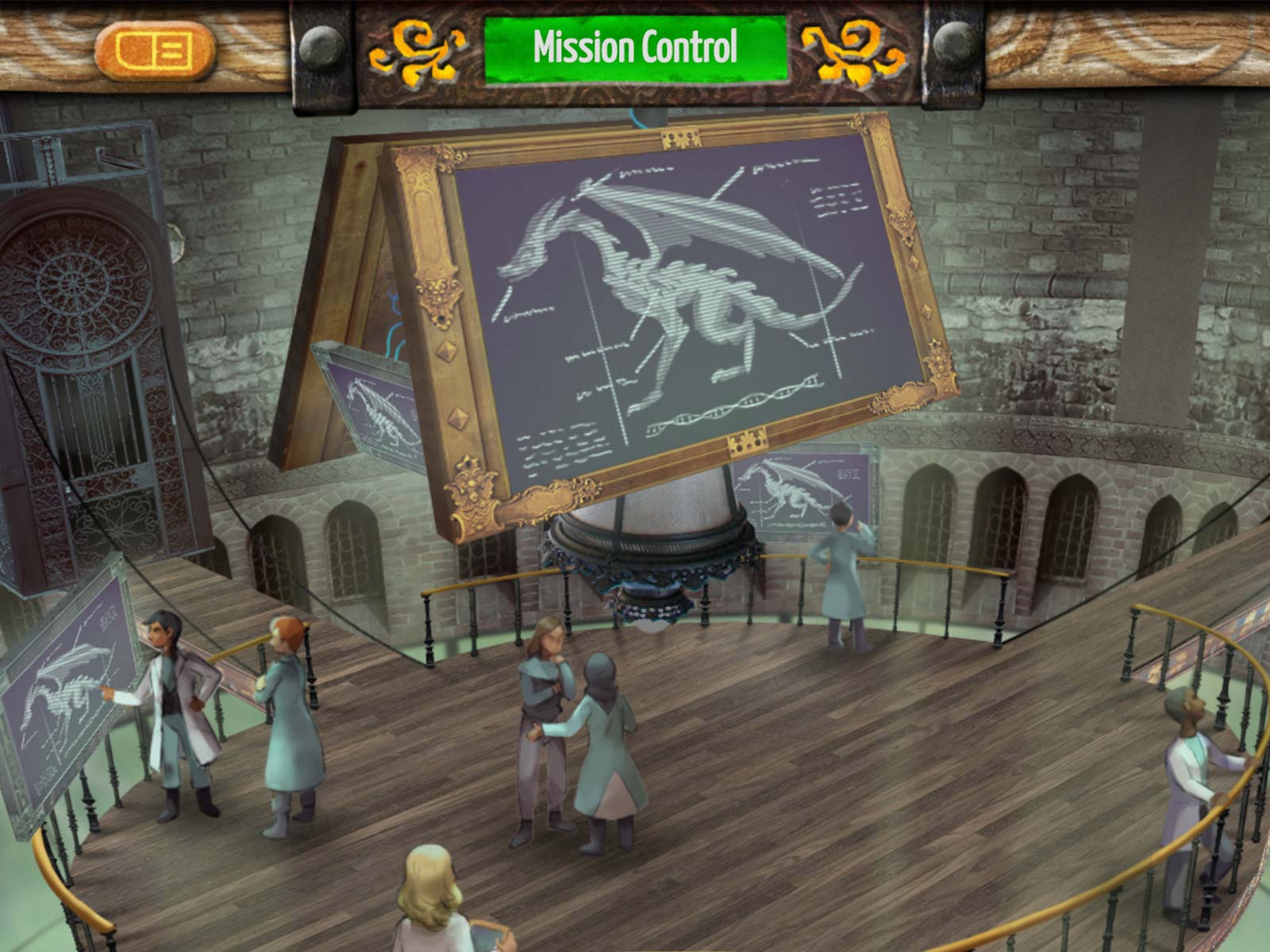
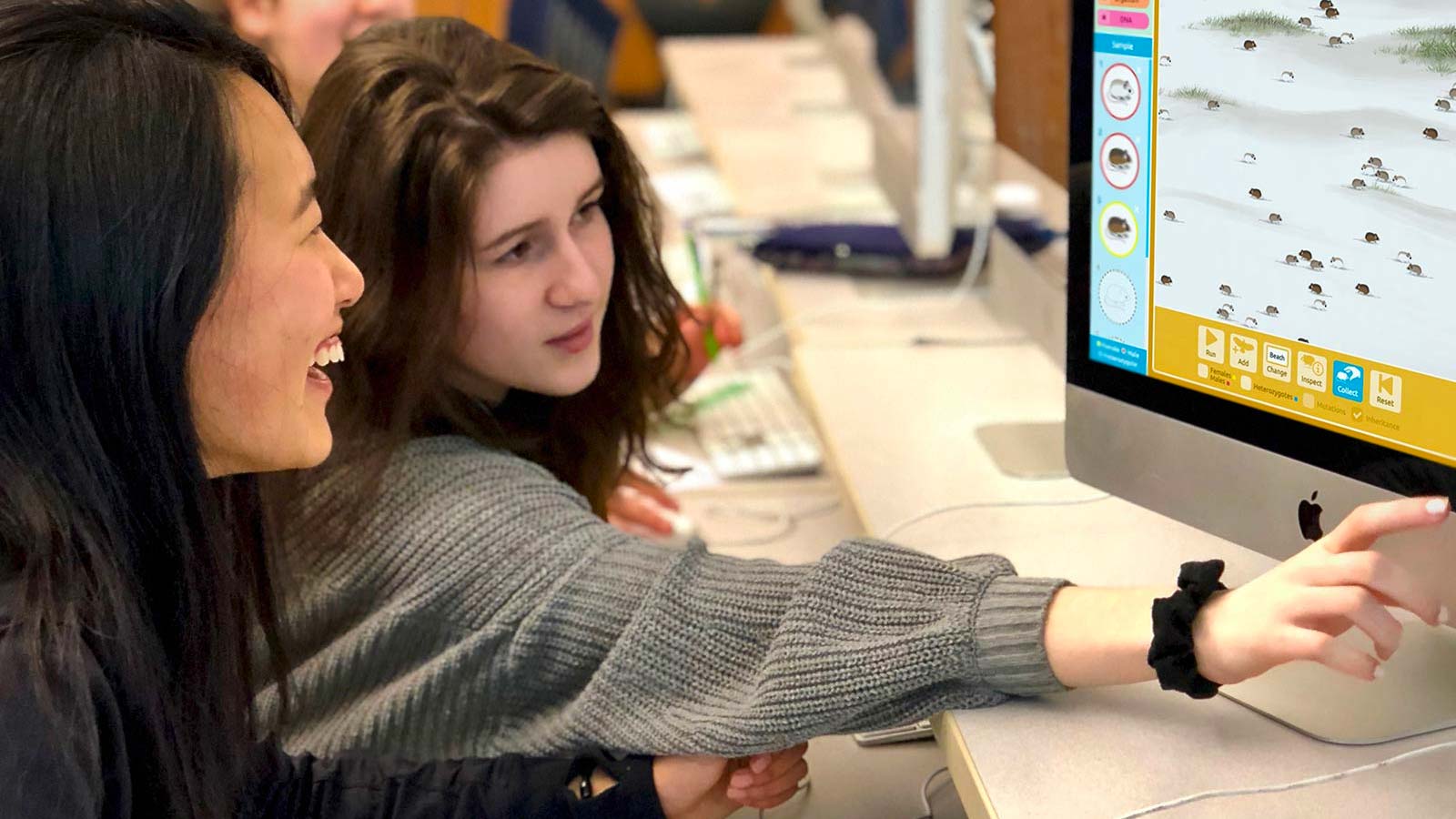
Geniverse is free, web-based software for high school biology that engages students in exploring heredity and genetics by breeding and studying virtual dragons. Interactive models, powered by real genes, enable students to do simulated experiments, generate realistic and meaningful genetic data and win star ratings for efficient experimentation.
Geniverse supports experimentation, critical thinking, and writing about genetics. Geniverse is designed for teachers to play an active role in the classroom by guiding students to understand and make connections to real-world genetics.
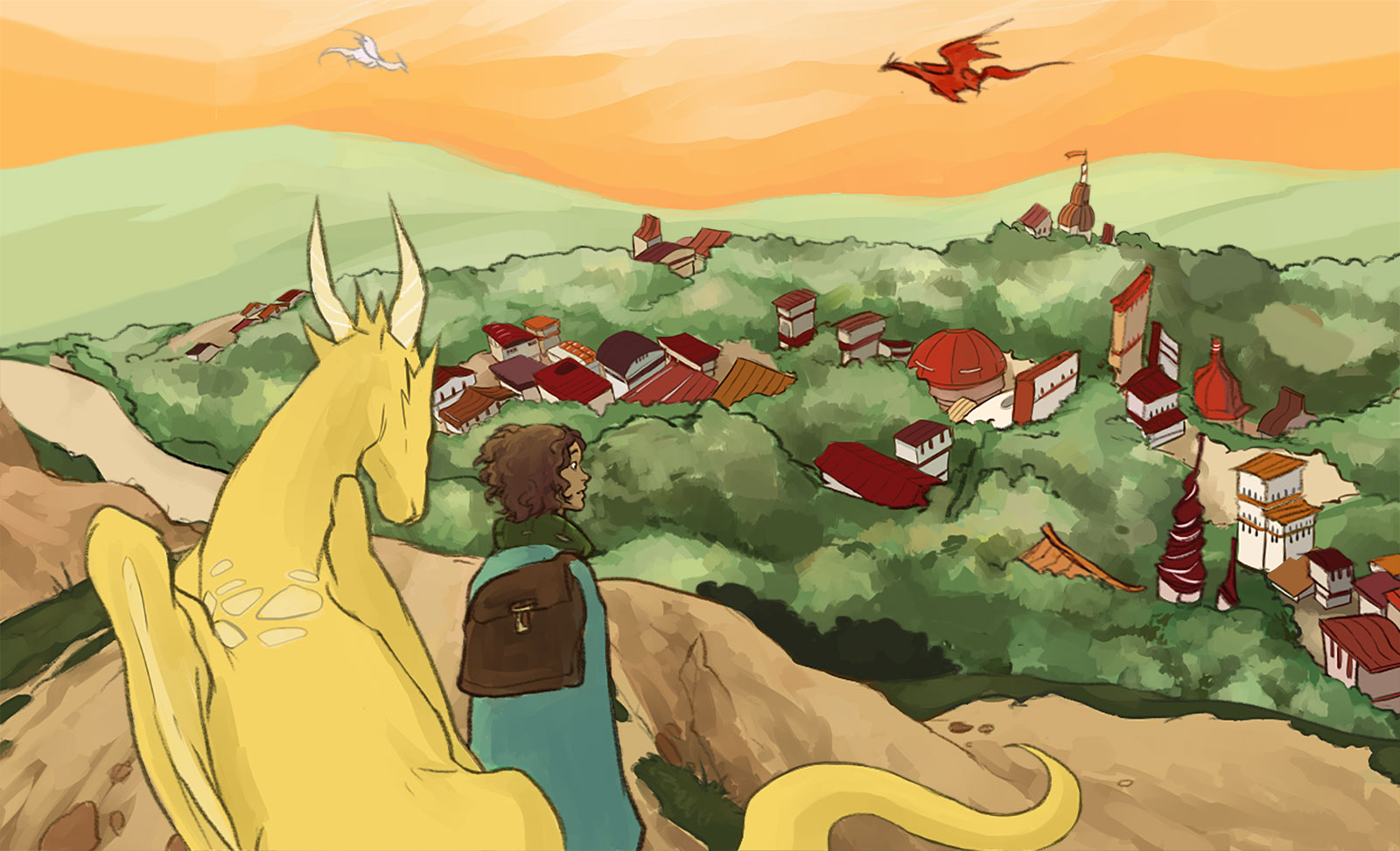
A captivating narrative creates an authentic context for students to dive into genetics. Students use a virtual model species (drakes) to explore the fundamental mechanisms of heredity and genetic diseases and then get a taste of careers in genetics. While following a courageous protagonist on a quest to heal a beloved dragon, students generate their own experimental data as they complete Geniverse challenges. They “publish” their findings using the scientific practice of argumentation, supporting their claims with evidence and reasoning, first in writing, and then in class discussions.
The genetics of Geniverse drakes is based firmly on the real-world genetics of model organisms. The drake genes and traits have been compiled from the actual genes and associated traits of anole lizard, mouse, and fruit fly. The genes for forelimbs, wings, color and other drake traits are genes that are involved in the development of those traits in real organisms. So drakes, while fictional and fanciful, possess traits that have a basis in real biology. In fact, since the genes of humans are similar to the genes of the model organisms we use in real life to study genetics (e.g., mouse and fruit fly), the genes of the Geniverse drakes are quite similar to human genes.
In addition, the interactive models that students use to do virtual experiments in Geniverse are powered by a genetics engine that accurately simulates the same patterns of inheritance that operate in real life, in humans as well as model organisms. Students who learn with Geniverse are learning to look at and analyze experimental results that would be obtained from these genes in a laboratory.
Research
- Geniverse materials had significant impacts on both student science content knowledge and students’ abilities to engage in argument from evidence. Geniverse offers an effective approach to teaching high school genetics in an NGSS context.
- The impact of Geniverse on student outcomes was greatly influenced by how the materials were implemented in the classroom. When implemented as intended, student learning was significantly higher than in the comparison group using business-as-usual instructional materials, but only 25% of students in the study progressed through the game to the minimum required level. Qualitative exploration revealed multiple reasons for these low levels of student progression, including teacher difficulties managing students moving through the game at different speeds; challenges with teaching science via student-led inquiry and exploration rather than through teacher-led, whole-class instruction; as well as multiple issues around teaching with technology.
Videos
View this video and more on the Concord Consortium YouTube Channel.
Publications
- Wilson, C., Reichsman, F., Mutch-Jones, K., Gardner, A., Kowalski, S., Lord, T., & Dorsey, C. (2018). Teacher implementation and the impact of game-based science curriculum materials. Journal of Science Education and Technology. Advance online publication.
- Dorsey, C., & Reichsman, F. (2015). Dragons fly higher with new projects. @Concord, 19(2), 14-15.
- Lord, T., and Reichsman, F. (2014). Dragons go wild. @Concord, 18(1), 12-13.
- Reichsman, F., and Lord, T. (2012). A drake’s tale: Genetics software gets a lift from gaming. @Concord, 16(1), 10-11.
- Dorsey, C., and Reichsman, F. (2011). Blogging about breeding evidence. @Concord, 15(1), 14-15.
- Reichsman, F., and Dorsey, C. (2010). Collaboratories for genetics learning. @Concord, 14(1), 12-13.
Activities
View, launch, and assign activities developed by this project at the STEM Resource Finder.